












The importance of Winter preparation
Every year, as winter approaches, temperatures begin to fall sharply and the familiar warmth of autumn gives way to icy winds, early sunsets, and the season’s first snowfall. But winter isn’t only about the cold. It brings a wave of holiday spirit, festivals, lights, Christmas traditions, and a sense of joy that many people look forward to all year long. Yet the same season that feels magical can quickly become challenging. Heavy snow can shut down roads, limit access to groceries and transportation, and even knock out the power. When storms hit unprepared communities, the “most wonderful time of the year” can turn stressful fast. That’s why preparation matters, especially in urban areas, where thousands rely on clear roads, functioning transit, and dependable infrastructure. To combat the winter weather, communities like Loudoun County prepare for winter through comprehensive planning, infrastructure investment, and coordinated emergency response systems.
How Loudoun Prepares for Winter
In the Mid-Atlantic region, winter weather can be unpredictable, which is why places like Loudoun County and the broader DMV area put lots of effort into preparing long before the first snowfall. According to the Virginia Department of Transportation, the agency budgets over $200 million for statewide snow operations each year. Northern Virginia is stocked with more than 120,000 tons of salt, 25,000 tons of sand, and hundreds of thousands of gallons of brine to keep roads safe during storms. Loudoun County alone plans for roughly 40 snow and ice response events each winter, with staff clearing county buildings, parks, and public facilities to maintain access even during moderate storms. Although Loudoun doesn’t experience the extreme snow seen in cities more north, according to the Virginia Department of Transportation, the region still averages around 21 inches of snow a year, which can cause travel disruptions and occasional closures. A great example of unpreparedness was the 2016 blizzard, with the snow staggering to a huge 36 inches in places like Ashburn and Bluemont, which led to major power outages and transportation disruptions across the county. This triggered major emergency response efforts, as thousands of residents were stranded inside their homes. Local government agencies monitor conditions closely, activate snow-emergency routes, and provide guidance for residents on safe winter driving and post-storm safety. Together, these preparations help ensure that winter in Loudoun is manageable, allowing the community to focus on the festive side of the season whilst also staying ready for whatever weather arrives when the time comes.
Preparing for Winter: Local Perspective
To understand how different communities handle the arrival of winter, several high school students from Loudoun County and Toronto shared their experiences. Their perspectives reveal how preparation, infrastructure, and community habits shape the way people respond to cold weather.
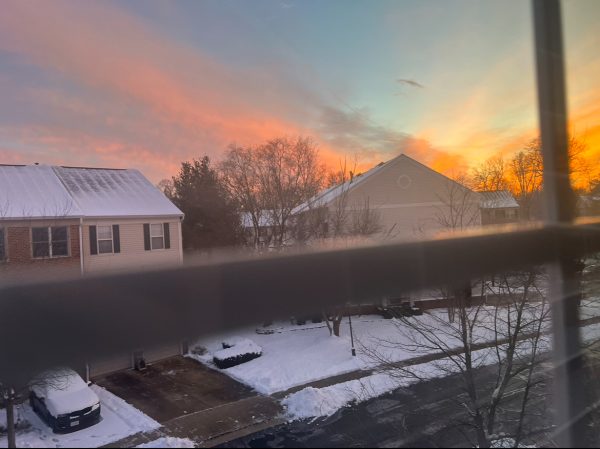
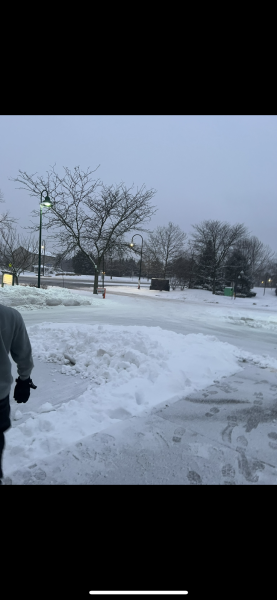
In Loudoun County, winter preparation tends to revolve around practical, individual routines rather than large-scale operations. Avik Jain, a sophomore at Briar Woods High School, explained that residents typically rely on tools like snow shovels, driveway salt, and cap tarps to handle snowfall on their own property. “People usually wake up early to shovel their driveways and salt them,” he said, noting that many households keep snow-removal kits ready. Schools remain heated throughout the season, but Avik mentioned that most students still bundle up with jackets, gloves, and winter boots, especially when temperatures drop sharply.
Although Loudoun experiences far less snow than northern cities, even a few inches can disrupt daily routines. Avik emphasized that Loudoun’s infrastructure isn’t built for extreme or frequent snowfall. “We don’t get as much snow as a place like Toronto, so we’re not as used to it,” he said. “If we were to get a blizzard, lots of stuff would shut down.” He also described how the atmosphere around the county changes depending on how long the snow is around. Pleasant at first, but increasingly frustrating once it lingers, becomes dirty, or turns into ice.
A very different picture emerged from the perspectives of Austen and Cristiano, two junior students from Toronto. According to Austen, winter preparedness in Toronto begins well before November, because early snowfalls, even in October, are common. Stores run out of shovels early in the season, and many residents purchase snow blowers to handle consistent snowfall. On the city side, large-scale snow operations are routine. Austen described the “large trucks” and plows sent immediately to clear downtown roads and, most importantly, the tracks used by Toronto’s streetcars, which thousands depend on daily. While main roads are maintained quickly and efficiently, residential places, especially less populated ones, receive slower service, leaving many people to handle the snow themselves.
Both students said Toronto handles major snowfall far better than places farther south, but the city’s strengths don’t make winter pleasant. Austen noted that while the first snowfall feels jolly and nice, the atmosphere quickly shifts. The period leading up to Christmas feels bright and festive, but after, conditions decline. “It gets really disgusting,” he explained. “The snow turns brown, it clumps together, and it’s cloudy almost every day.” Cristiano added that the sheer amount of snow can shock people who have never lived in the city. He described seeing bus stops frozen over, windows sealed shut by ice, and snowbanks reaching well above doorways, even entire buildings. Walking to school becomes a workout of its own, with deep snow and harsh winds turning a normal trip into an exhausting trek.
Despite the challenges, both students agreed that some winter traditions help brighten the season. Austen stated that Downtown Toronto hosts holiday events, light displays, and seasonal festivals near major landmarks like the CN tower. In Loudoun, Avik mentioned the Bull Run festival of lights as a popular winter tradition, drawing families across Northern Virginia to its drive-through displays and its carnival.
The Bigger Picture
Without proper preparation, the joy and peace of winter could vanish, from shutdowns to inaccessible transportation and disrupted daily life. Winter will always bring harsh weather, icy conditions, and unpredictable temperatures, but careful preparation gives communities control over what they are able to manage. From urban places across the world like Loudoun and Toronto, staying prepared doesn’t only ensure public safety and supply to the citizens’ needs, but it also preserves the sense of joy and festivity that the winter season brings to communities all around the world.