
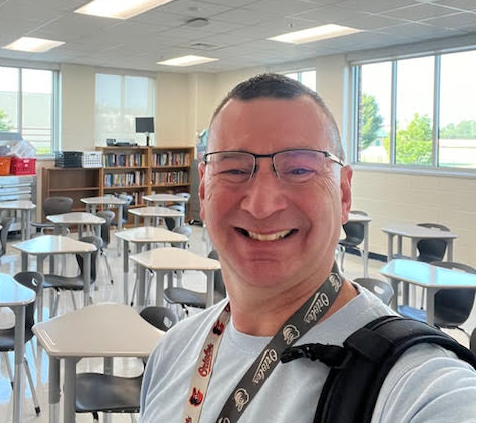
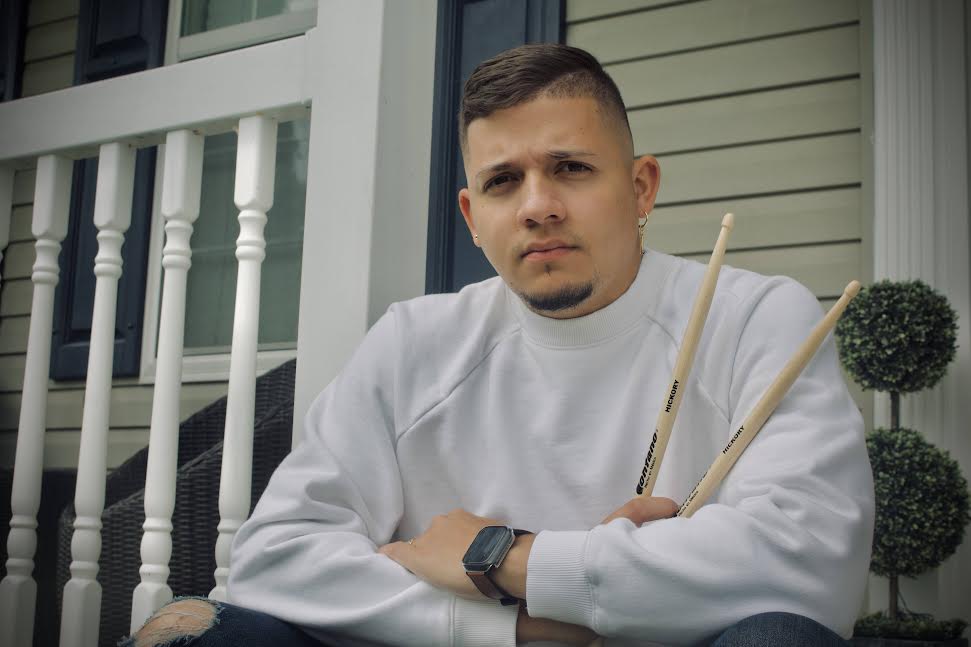
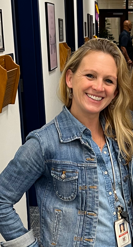








Every October, Filipino American History Month celebrates the stories, struggles, and achievements of the Filipino community in the United States. From the first recorded landing of Filipinos in Morro Bay, California in 1587, decades before the Pilgrims, to the millions of Filipino Americans who now call the U.S. home, their influence runs deep across generations. Yet, many parts of this history remain overlooked or underrepresented. For students like Aries Sobers, a freshman of Heritage High School, and Liam Bare, a sophomore of Briar Woods High School, both Filipino Americans, this month is more than just a celebration of culture, it’s a time to reflect on identity, heritage, and the values that connect them to their families’ roots in the Philippines. Through their stories, Filipino American History Month becomes a reminder that history isn’t only about the past, but about how culture continues to thrive today, through food, traditions, and the shared pride of remembering where you come from.
Rediscovering Filipino History
When asked which parts of Filipino or Filipino American history deserve more recognition, Sobers didn’t hesitate. “A moment in Filipino history that I feel is underrepresented is the liberation of the Philippines in World War II,” Sobers said. “When people think about that, they probably imagine it was all American soldiers, but about 1.3 million people helped with the liberation, and roughly 300,000 of them were Filipino guerrilla fighters.”
That statistic, he explained, often surprises people who are unfamiliar with the Philippines’ complex relationship with the United States. “People forget that Filipinos probably fought in the war too,” he said. “It’s kind of unrecognized because people just assume it was only Americans fighting for the liberation.”
Sobers said he learned more about his family’s homeland after visiting the Philippines during the summer of 2024. His trip took him to Ormoc, a city in the province of Leyte, the same island where Allied forces fought one of the largest battles in the Pacific during World War II. “I went to Cebu first, then Ormoc, where my family is from,” Sobers said. “I kind of got to live how my mom lived as a kid, just with more technology, like TVs and electricity.”
He shared how hearing his mother’s childhood stories deepened his appreciation for what previous generations endured. “During one typhoon, my mom said she was standing on high ground and watched her house float away with her sister still on the porch,” Sobers said. “Her sister’s fine now, she has two kids and is doing well, but that story always stuck with me.”
Although Sobers said his family doesn’t have long-standing traditions that pass down through generations, he believes his mother broke what he calls a generational curse. “My grandma used to chase my mom with sticks and hit her if she did something bad,” he said, laughing a little. “But my mom changed that. So maybe that’s our tradition, learning and doing better.”
Pride in Early Filipino American History
Sobers also reflected on how Filipino American History Month sheds light on earlier, lesser-known moments. “Most people don’t know Filipinos first arrived in California in 1587, before the Pilgrims,” he said. “Learning about that helps people see that America’s story is really diverse and complex.”
He believes that if more students knew about this early history, it would deepen their sense of identity. “At my school, Filipinos are already really prideful of their heritage,” Sobers said. “If they knew Filipinos were in California before the Pilgrims, it would probably make them even more proud.”
Culture, Family, and Togetherness
While Sobers primarily focused on history and identity, Bare emphasized the culture that keeps Filipino families connected, especially through shared traditions. “Filipino American History Month, for me, is all about the culture,” Bare said. “When you look deeper into our history, you think of figures like Lapu Lapu, people who made their mark. This month celebrates all those amazing Filipinos who contributed to history.”
For Bare, one of the strongest cultural bonds is found in a microphone and a songbook. “Every party we have, there’s always karaoke,” he said. “It doesn’t matter if you’re a terrible singer or a great one, it’s what unites the family. You’re going to have fun either way.”
Karaoke can unite Filipino families to all sing together during events, parties, or even just because you want to sing, you can always sing karaoke. Karaoke, he added, has become a staple of nearly every Filipino gathering. “It’s something I always look forward to,” Bare said. “It really brings everyone together, and I’ve seen other Filipino families do it too.”
A Taste of Home
Food, Bare said, plays an equally important role in preserving Filipino culture. Each dish, to him, carries both flavor and memory. “If I had to pick my favorites, my top three would be Filipino spaghetti, sinigang, and pancit,” he said. “Filipino spaghetti is made with brown sugar, it’s sweet, but it’s something we eat for dinner, lunch, whenever. Sinigang is a soup with chicken that’s great with rice, and pancit is kind of like a noodle salad, similar to Japanese food but with our own twist.”
And, he added with a grin, there’s one more dish that deserves a mention. “I have to add lumpia,” he delightfully said. “Some people call it spring rolls, but we make it differently. I love the crunch on the outside and the soft inside, it’s so good, chef’s kiss.”
Bare said these foods aren’t just recipes, they’re ways of staying connected to a heritage that stretches across the ocean. “Whenever I think of Filipino food, I think of family,” he said. “It’s something that reminds us of who we are.”
Remembering Where You Come From
For both Sobers and Bare, Filipino American History Month is more than a commemoration. It’s a bridge, connecting history, culture, and personal identity. Sobers finds pride in learning about the hidden contributions of Filipinos to both global and American history, while Bare celebrates the everyday traditions that keep their community vibrant.
Their perspectives highlight how Filipino American identity continues to grow stronger with every generation, from the 16th-century voyages to California, to today’s classrooms and family gatherings filled with song, laughter, and food.
As Sobers put it, recognizing this history gives young Filipino Americans a reason to stand taller. And as Bare said, celebrating culture, whether it is through history, karaoke, or a plate of lumpia, keeps that pride alive.